


What is Jaguar Torque-Vectoring?
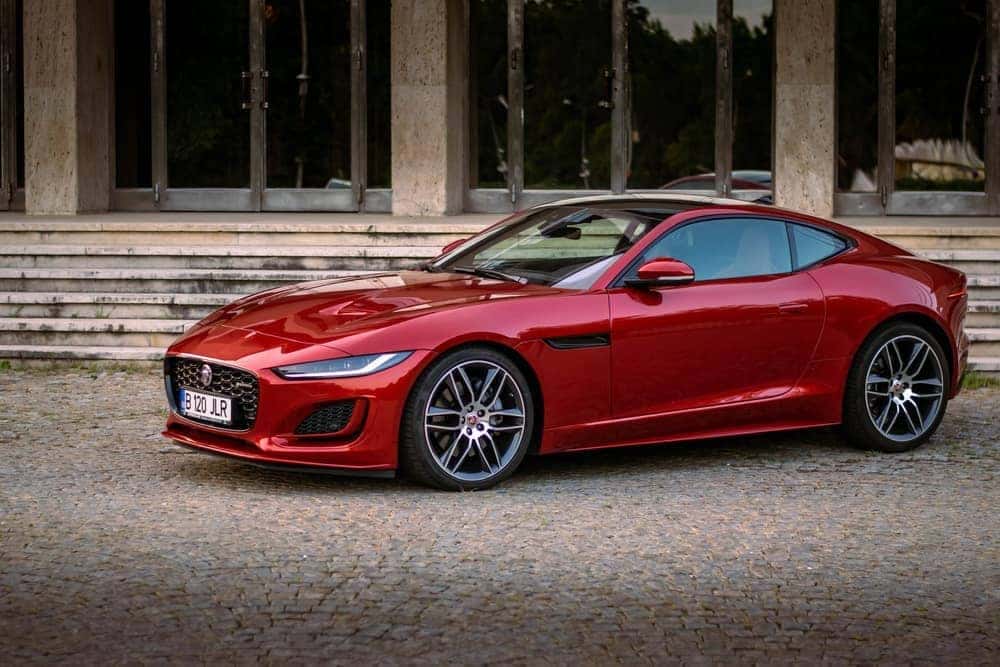
Torque-vectoring is a performance technology that increases vehicles’ traction and handling in dry or wet conditions. The Jaguar XE Sedan, Jaguar F-PACE SUV, and Jaguar F-TYPE have this helpful system.
HOW DOES TORQUE-VECTORING WORK?
The Torque-Vectoring System uses sensors that collaborate to provide the best corner turning ability. The system computes the fairest distribution of torque to a wheel at any second based on the driver’s decisions and the weather conditions.
There are a few different approaches to torque-vectoring technology, and Jaguar offers torque-vectoring by braking. A brake-based torque-vectoring system momentarily applies the brakes to the inside wheels during turns.
This is how a brake-based torque-vectoring system works:
- Vehicle sensors continuously monitor torque distribution and use data like vehicle speed, steering angle, wheel speed, lateral G forces, and rotational speed sensors (yaw rate).
- The system automatically balances the distribution of torque to each wheel.
- During a turn, the braking system acts on the inside wheels.
- As a result, greater torque is channeled to the outside wheels.
WHY IS THE TORQUE-VECTORING SYSTEM USEFUL?
- Corrects understeer or oversteer
- Increased stability control
- Improves traction in varying weather conditions
- Better handling of your Jaguar
0 comment(s) so far on What is Jaguar Torque-Vectoring?